🎮 The Three Games Inside The Wily Wars
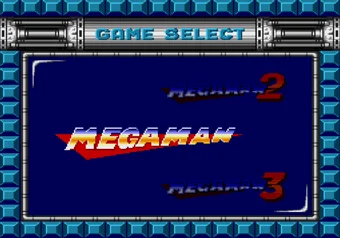
At its core, Mega Man: The Wily Wars is built around three familiar adventures - Mega Man, Mega Man 2, and Mega Man 3 - all recreated for the SEGA Genesis/Mega Drive. Each game can be selected individually, and each one keeps its original structure, but the way they feel isn't exactly the same.
The first Mega Man still stands out as the most unforgiving of the three. Enemy placement is strict, checkpoints are limited, and mistakes are punished quickly. In The Wily Wars, this early entry feels slightly heavier and more deliberate, making careful movement and timing even more important than before.
Mega Man 2 remains the most approachable and balanced part of the collection. Level design is clearer, weapon choices feel more flexible, and the overall pacing is smoother. Even in its 16-bit form, it keeps the same rhythm that made it a favorite among players, offering a good mix of challenge and flow without overwhelming the player too early.
With Mega Man 3, the difficulty begins to rise again. Stages are longer, enemy patterns become more complex, and bosses demand better weapon management. The introduction of sliding adds an extra layer to movement, which feels natural in this version and opens up more tactical options during both platforming and combat.
While the layouts and progression remain faithful to the original releases, playing these games as part of The Wily Wars creates a different overall experience. The shared presentation, updated visuals, and consistent control style give the trilogy a more unified feel, almost like a single, extended journey through the early Mega Man era.
⚙ Core Gameplay and Controls
The core gameplay in Mega Man: The Wily Wars stays true to the classic formula, but the Genesis/Mega Drive version gives it a slightly different feel. Movement is a bit heavier compared to the NES originals, which makes positioning and timing more deliberate. Precise jumps, careful ladder use, and controlled shooting are essential, especially in later stages.
Mega Man's controls remain simple and responsive. You can move, jump, shoot, and switch weapons on the fly, but success depends on how well you combine these actions. Rushing forward rarely works. The game rewards patience, pattern recognition, and knowing when to attack or retreat.
Weapon management plays a central role throughout all three games. Each Robot Master's weapon has clear strengths and limitations, and using the right tool at the right moment can make difficult sections far more manageable. At the same time, energy conservation matters, since powerful weapons are limited and careless use can leave you unprepared for boss fights.
Platforming remains just as important as combat. Many stages are built around precise jumps, moving platforms, spikes, and environmental hazards that demand full attention. In Mega Man 3, the slide mechanic adds extra mobility, allowing for faster reactions and more tactical movement, especially in tight spaces and during boss encounters.
Overall, The Wily Wars doesn't try to modernize Mega Man's gameplay. Instead, it preserves the demanding, skill-based design the series is known for, while offering a consistent control experience across all three games on Genesis/Mega Drive. Mastery comes not from upgrades or shortcuts, but from learning the mechanics and executing them cleanly.
🧠 Difficulty, Balance, and No Shortcuts
Mega Man: The Wily Wars offers a straightforward but demanding challenge. The game includes no cheat codes or built-in shortcuts, staying faithful to the old-school design where progress depends entirely on player skill and understanding.
Difficulty rises naturally across the three games. Early stages teach core mechanics, while later levels require precise movement, careful weapon use, and solid knowledge of enemy patterns. Boss fights, in particular, reward preparation and punish careless play.
Because there are no easy ways around tough sections, balance becomes a key part of the experience. Every hit matters, weapon energy must be managed wisely, and mistakes often lead to repeated attempts. This makes success feel earned rather than given.
In the end, the challenge feels fair but uncompromising. The Wily Wars expects patience and consistency, offering a classic Mega Man experience where improvement comes from learning, not shortcuts.
🏰 Wily Tower - A Reason to Revisit the Game
One of the biggest reasons Mega Man: The Wily Wars stands out is Wily Tower, an exclusive mode created specifically for the Genesis/Mega Drive version. Unlike the main trilogy, this mode doesn't simply remix existing levels - it introduces entirely new stages and bosses designed to test experienced players.
Before entering Wily Tower, you're given the chance to customize Mega Man's loadout. Instead of having access to every weapon, you must carefully choose a limited set from the Robot Masters you've already defeated. This small change adds a surprising amount of strategy, forcing you to think ahead and adapt your playstyle to the challenges ahead.
The levels themselves are shorter but more intense. Enemy placement is tighter, hazards appear more frequently, and bosses are built around aggressive patterns that leave little room for error. Wily Tower assumes you already understand Mega Man's mechanics and pushes those skills further without feeling unfair.
Rather than being a simple bonus, Wily Tower feels like a true extension of the game. It gives returning players a fresh reason to come back and offers something genuinely new - not just a repeat of familiar content, but a final challenge that completes the experience.
🎨 Visual Style, Sound, and How It Compares to NES
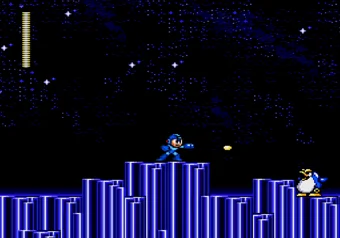
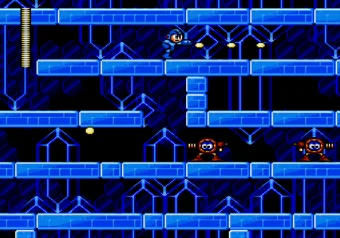
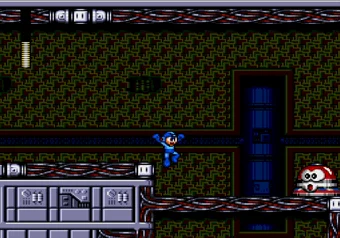
Mega Man: The Wily Wars immediately feels different from the NES originals, largely because of its presentation. The Genesis/Mega Drive version features brighter colors, more detailed sprites, and larger, more layered environments. Everything looks sharper and more modern for its time, even though the level layouts stay mostly faithful to the original designs.
This visual upgrade changes the overall tone of the game. Animations appear smoother, but movement feels slightly heavier, giving the gameplay a more deliberate rhythm. For some players, this added weight enhances precision, while others may miss the snappier feel of the NES versions. It's a clear stylistic shift rather than a simple visual improvement.
The soundtrack is another major point of comparison. Using the Genesis/Mega Drive sound hardware, familiar tracks are rearranged with deeper, more synthetic tones. The music is instantly recognizable, but its character is different - bolder and sometimes more aggressive. Whether this is an improvement or a drawback often comes down to personal preference.
Taken as a whole, The Wily Wars doesn't aim to replace the original NES games. Instead, it offers an alternate take on the early Mega Man trilogy, shaped by SEGA's 16-bit hardware. For players curious about how these classics feel outside their original platform, this version provides a distinct and interesting perspective.
🕹 Playing Today - Final Thoughts
Mega Man: The Wily Wars remains an interesting and worthwhile way to experience the early years of the series. It keeps the core gameplay intact while offering a different feel through its 16-bit presentation and exclusive content. This isn't a replacement for the NES originals, but rather an alternate version that stands on its own.
The game is best suited for players who enjoy precise platforming, pattern-based combat, and a challenge that doesn't rely on shortcuts. The addition of Wily Tower gives experienced fans a strong reason to return, adding new ideas without straying from the series' core design.
Today, the game can be played online directly in your browser, making it easy to jump in without altering the original experience. Whether you're revisiting the Mega Man trilogy or exploring this Genesis/Mega Drive version for the first time, The Wily Wars offers a focused, demanding, and memorable take on a classic formula.